Cryogenic Liquid Filling Systems Explained
Cryogenic liquid filling systems play a vital role in how gases like oxygen, nitrogen, argon, and carbon dioxide are safely stored, handled, and distributed. These systems make it possible to transfer cryogenic liquids, which exist at extremely low temperatures, into cylinders, dewars, or bulk vessels with precision and control. Whether in medical, industrial, or food and beverage applications, reliable filling operations are the foundation of product quality and workplace safety.
Understanding Cryogenic Liquids
Cryogenic liquids are gases that have been cooled and condensed into liquid form at temperatures typically below –150°C (–238°F). Common examples include:
-
Liquid nitrogen (LIN)
-
Liquid oxygen (LOX)
-
Liquid argon (LAR)
-
Liquid carbon dioxide (CO₂)
Because these liquids are so cold, they can rapidly expand as they warm, creating high pressures. That is why their storage, transfer, and filling require specially designed equipment that can maintain insulation, pressure control, and operator safety.

What Is a Cryogenic Liquid Filling System?
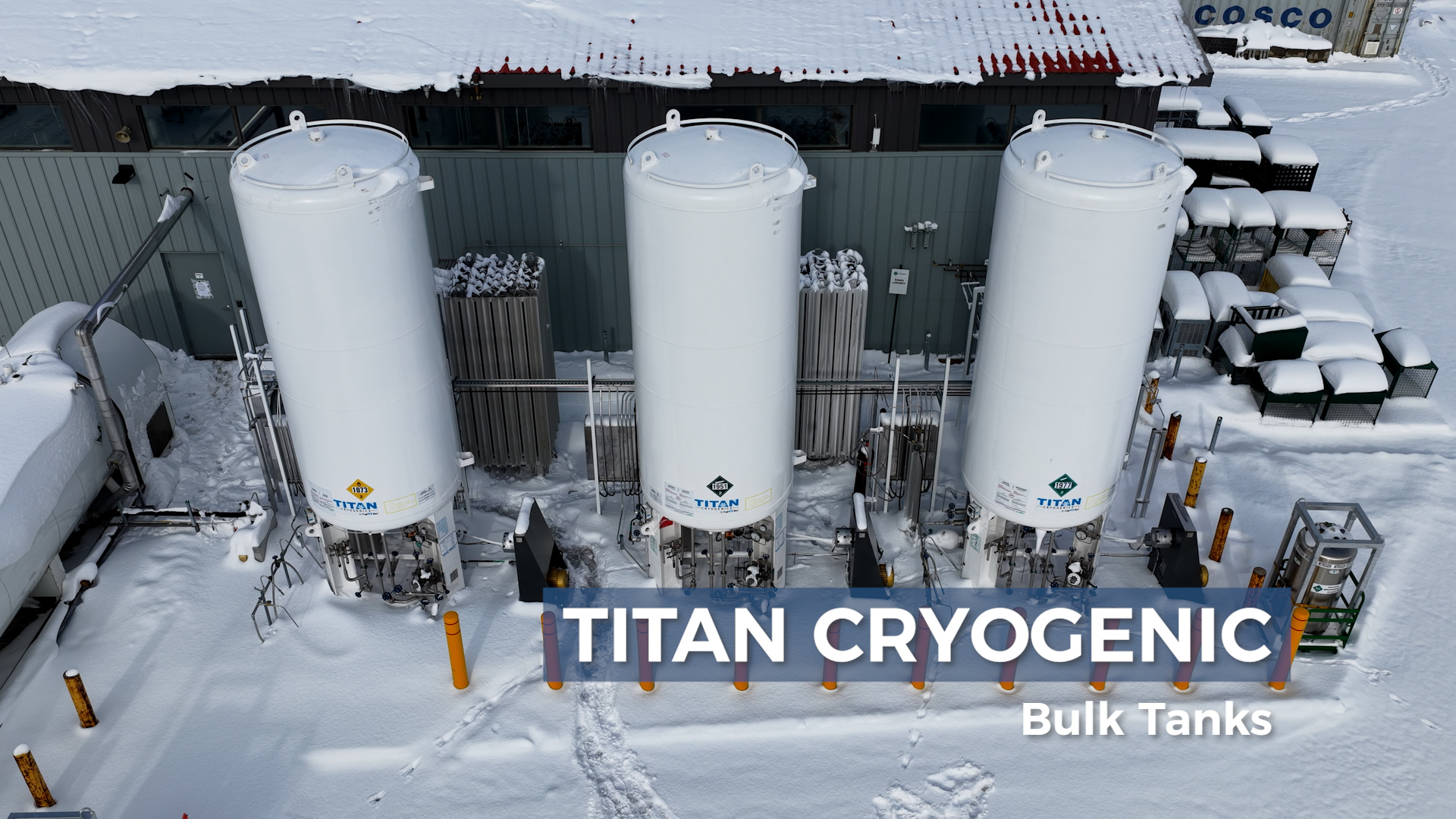
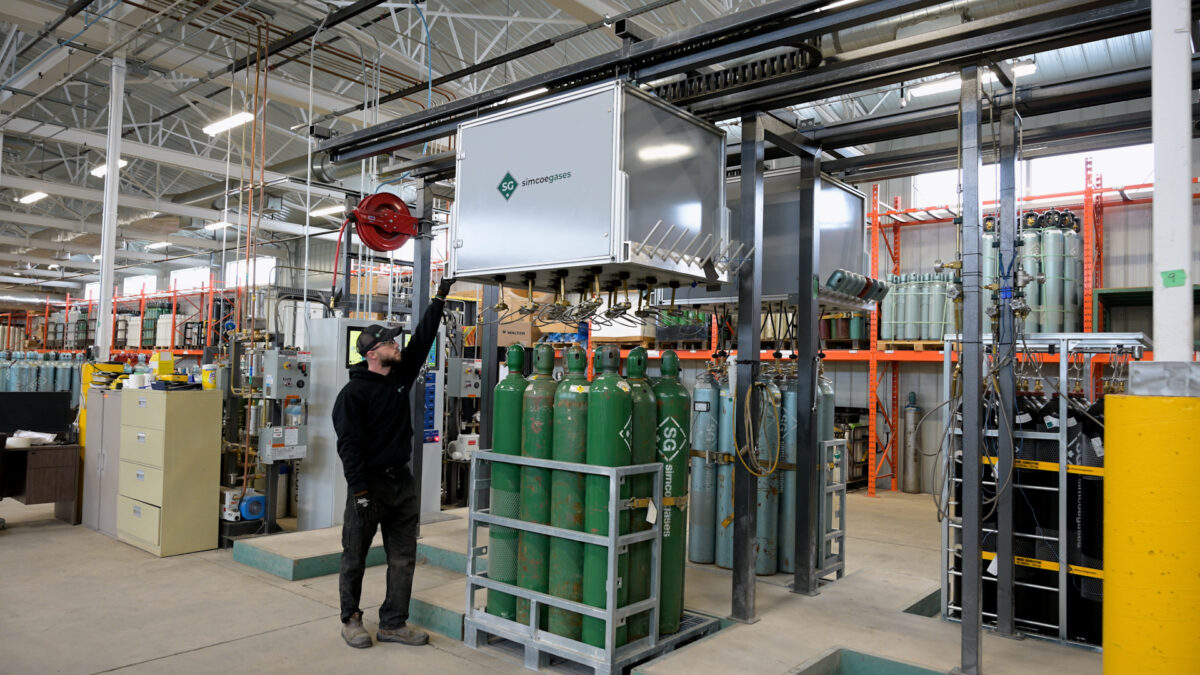
A cryogenic liquid filling system is an integrated setup that transfers liquid product from a bulk storage tank to smaller containers or distribution cylinders. It is designed to control flow, maintain cryogenic temperatures, and ensure accuracy and repeatability.
Typical components include:
-
Bulk storage tank: Holds the product under pressure and insulation.
-
Vacuum-jacketed transfer lines: Minimize heat leak during transfer.
-
Fill manifold: Allows connection to multiple cylinders or vessels.
-
Control valves and regulators: Manage flow and pressure.
-
Safety devices: Pressure relief valves, vent systems, and emergency shutoffs.
Together, these components provide a controlled, efficient, and safe environment for transferring cryogenic liquids.
Types of Cryogenic Filling Systems
There is no single design that fits every application. Filling systems can vary based on the type of gas, production volume, and automation level:
-
Manual systems: Operators control valves and monitor pressures manually.
-
Semi-automated systems: Combine manual connection with automated filling controls.
-
Fully automated systems: Use digital sensors, PLCs, and weigh scales to control and record every fill cycle.
-
Cylinder filling systems: Used for high-pressure gas cylinders.
-
Bulk transfer systems: For transferring between large tanks or transport trailers.
-
Mobile filling skids: Designed for flexibility in field or satellite applications.
How a Cryogenic Filling System Works
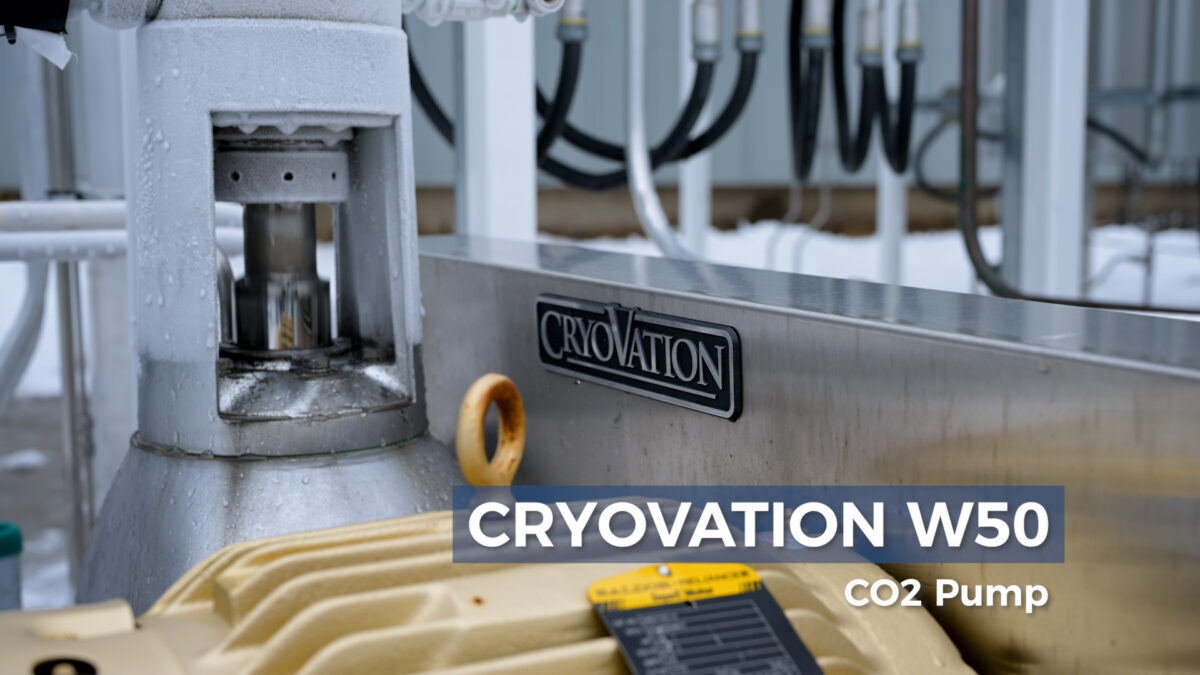
The filling process begins when a storage tank releases product through vacuum-insulated lines. Operators or control systems open valves in sequence to allow cryogenic liquid to enter the fill manifold and flow into connected containers.
Key steps include:
-
Pre-cooling lines and connections to prevent flash vaporization.
-
Opening the fill path to the receiving vessel.
-
Monitoring temperature, pressure, and flow rate.
-
Closing valves automatically or manually once target weight or pressure is reached.
Maintaining balance between flow rate and pressure prevents product loss and ensures consistent cylinder fill quality.
Safety and Compliance Considerations
Cryogenic filling operations must follow strict safety protocols. Key considerations include:
-
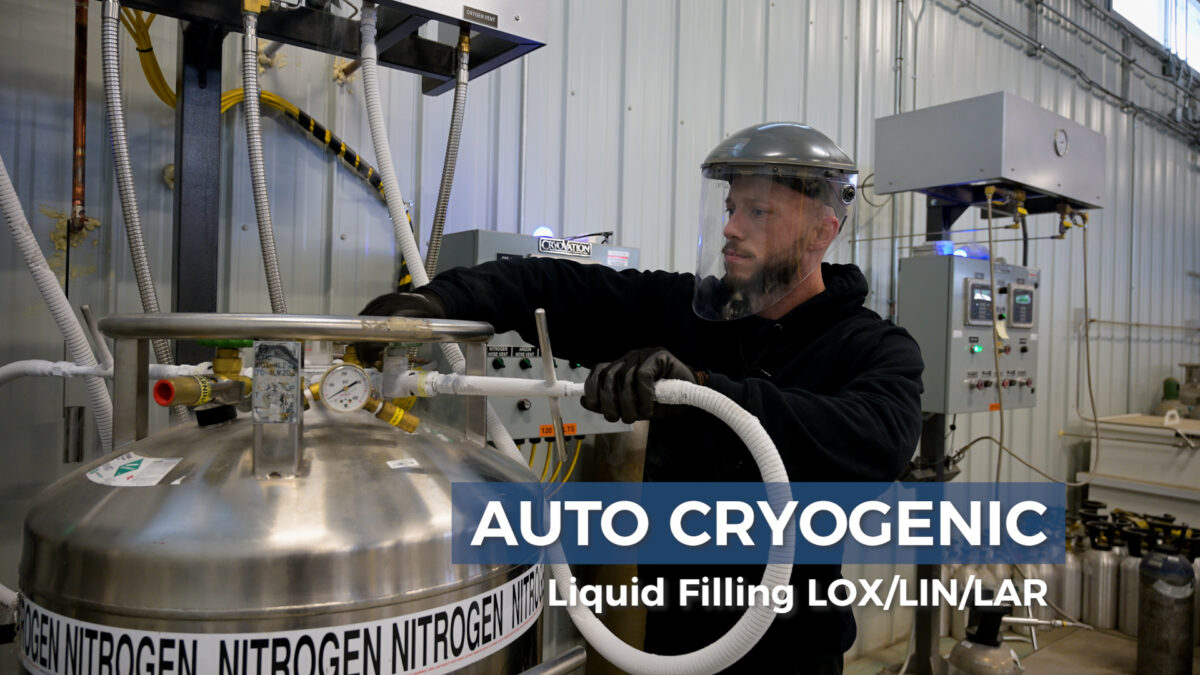
Personal protective equipment (PPE): Gloves, face shields, and cryogenic aprons.
-
Ventilation: Prevents buildup of oxygen-deficient or CO₂-enriched atmospheres.
-
Pressure relief systems: Protect against over-pressurization.
-
Training and procedures: Operators must understand hazards such as cold burns, oxygen enrichment, and pressure dynamics.
Compliance with CGA, OSHA, and NFPA standards ensures safe and consistent performance across all operations.
Optimizing for Efficiency and Accuracy
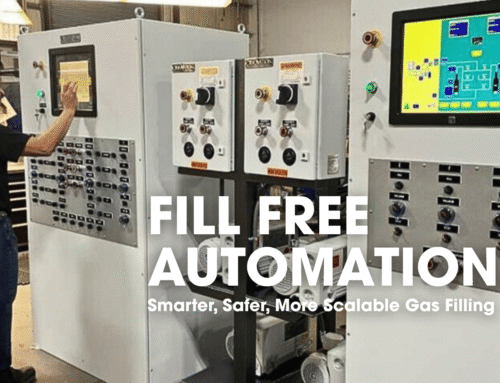
Modern cryogenic filling systems integrate digital flow meters, load cells, and automated controls to maximize accuracy and minimize product loss. Automation also improves repeatability and reduces operator workload.
Cryovation designs emphasize low-loss transfer, clean piping layouts, and custom automation packages that support reliable and efficient cylinder filling tailored to customer requirements and compliance needs.
Maintenance and Best Practices
Regular maintenance ensures system performance and safety. Recommended practices include:
-
Inspecting hoses, seals, and valves for frost buildup or leaks.
-
Verifying insulation integrity on vacuum lines.
-
Calibrating flow and pressure instruments.
-
Scheduling periodic relief valve testing and safety audits.
Preventive care extends equipment life and helps facilities stay compliant and operational.
Productivity, Safety, and Performance
Cryogenic liquid filling systems are at the heart of modern gas distribution. By combining precision engineering, safety-focused design, and efficient automation, they ensure that products like oxygen, nitrogen, and argon reach end users reliably and safely.
For organizations managing cryogenic operations, understanding these systems and maintaining them properly is essential for productivity, safety, and long-term performance.