Setting Up a New Cryogenic Fill Plant
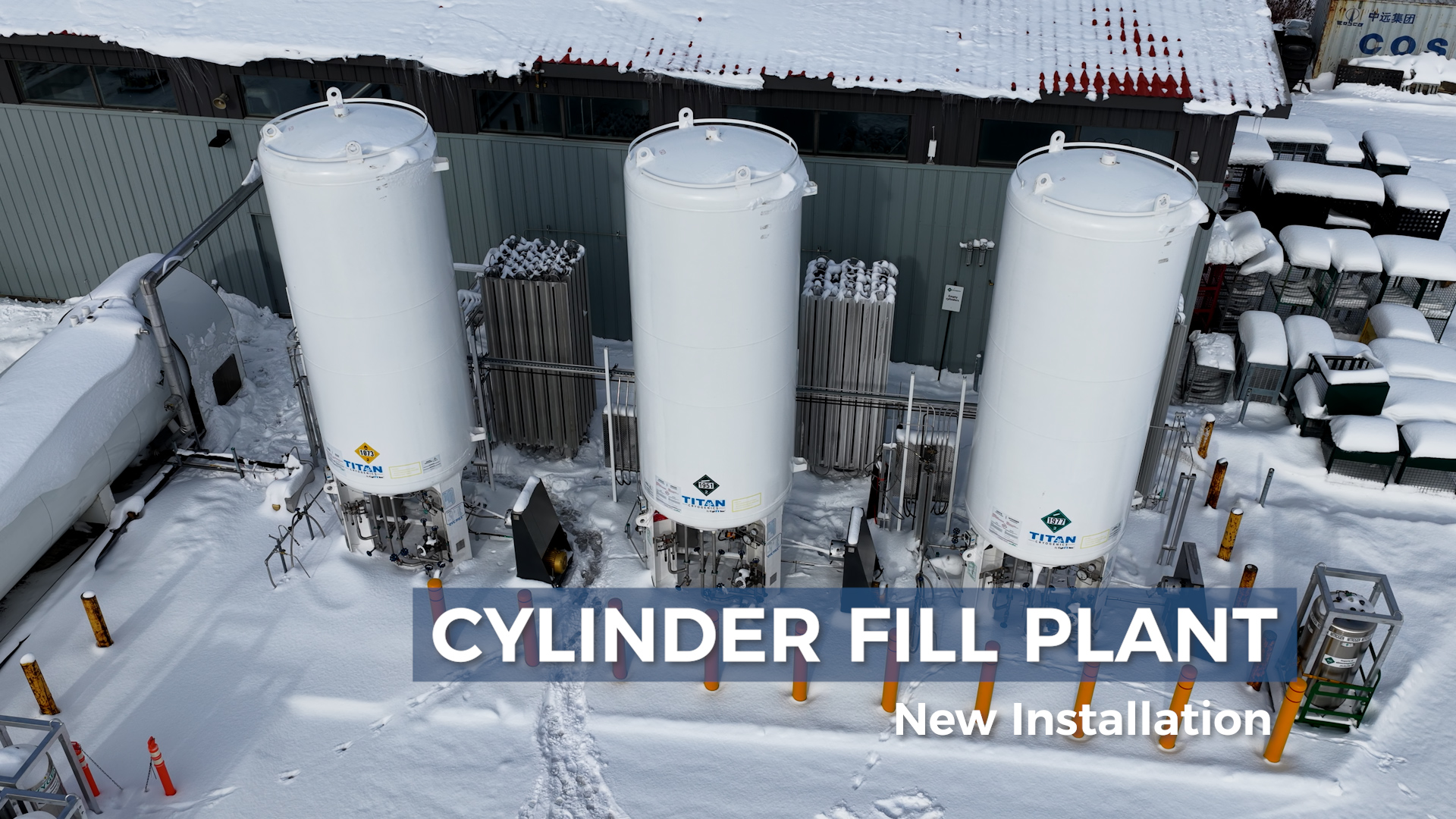
Establishing a new cryogenic fill plant involves more than selecting equipment and connecting pipelines. It requires careful planning, system design, and a clear understanding of how cryogenic liquids are stored, transferred, and safely filled into cylinders or bulk containers. Cryovation supports gas producers and distributors through this process by supplying engineered filling systems, automation packages, and safety controls that help new plants start up efficiently and operate with confidence.
A fill plant must be designed to meet production demand while maintaining product integrity and operator safety. From bulk storage layout and piping design to valve selection and instrumentation, every element contributes to reliable performance. The following overview outlines key considerations in setting up a new fill plant and the role of cryogenic liquid filling systems within it.

Understanding Cryogenic Liquids
Cryogenic liquids are gases that have been cooled and condensed into liquid form at temperatures typically below –150°C (–238°F). Common examples include:
-
Liquid nitrogen (LIN)
-
Liquid oxygen (LOX)
-
Liquid argon (LAR)
-
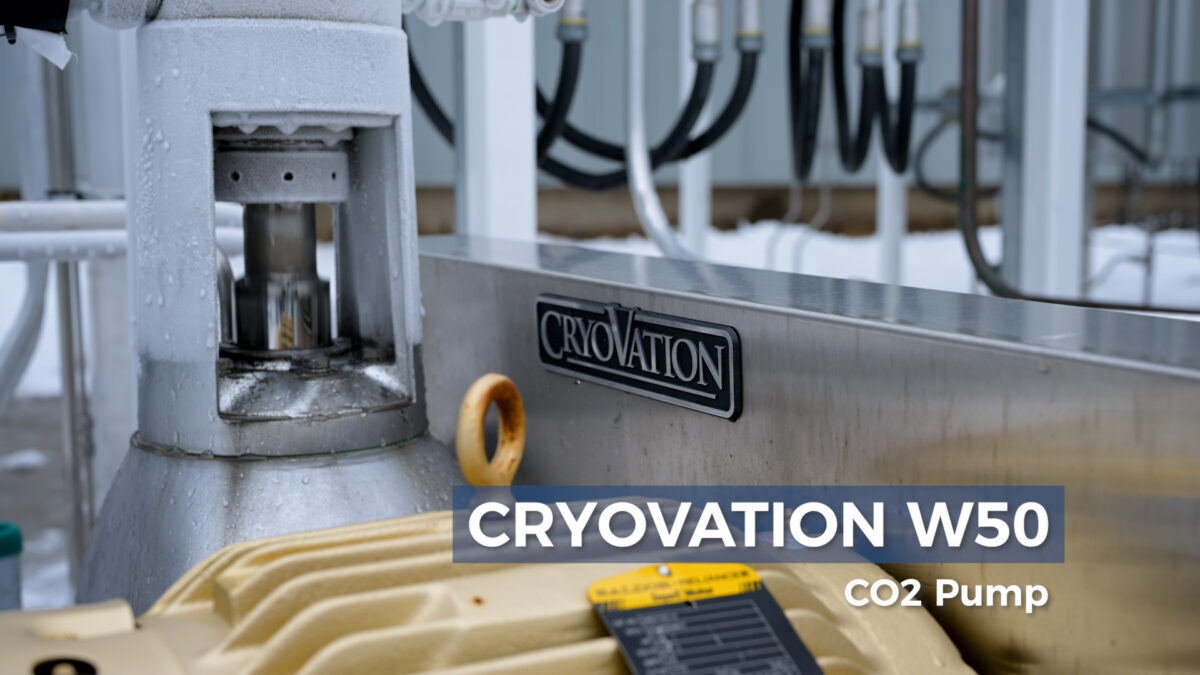
Liquid carbon dioxide (CO₂)
Because these liquids are extremely cold, they expand rapidly as they warm, creating high pressures. For this reason, their storage, transfer, and filling require specialized systems that maintain insulation, pressure control, and operator safety. In a new fill plant, these principles guide decisions about storage tank selection, line routing, and temperature management.
What Is a Cryogenic Liquid Filling System?
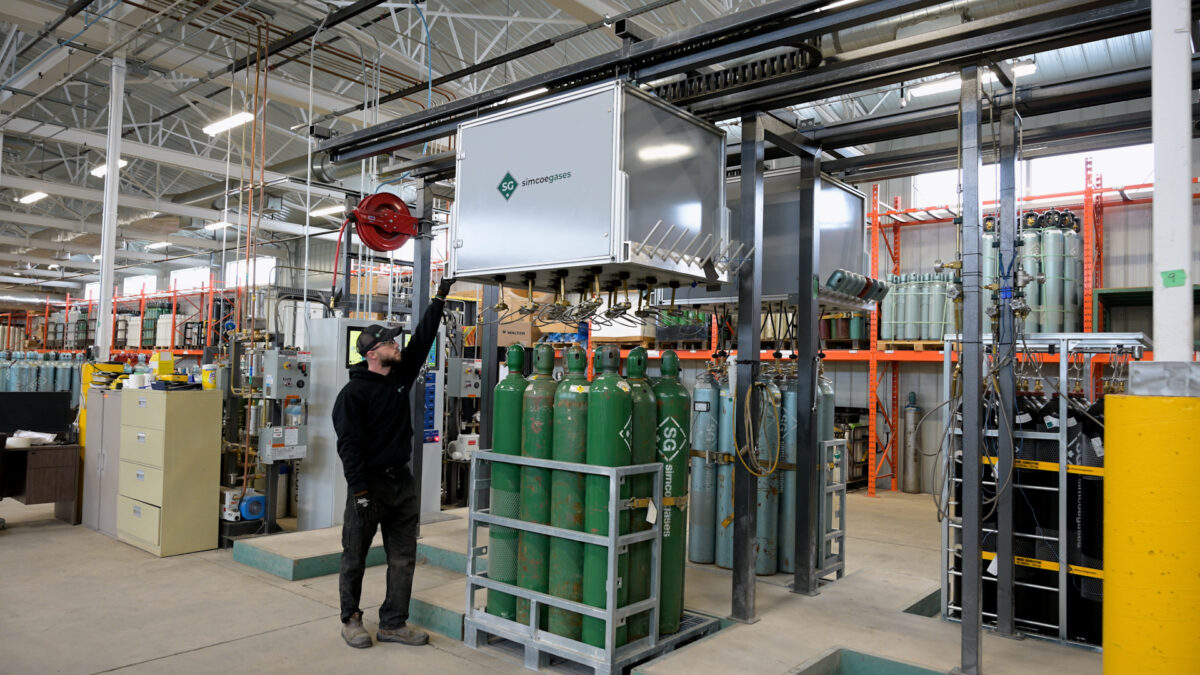
At the center of any fill plant is the cryogenic liquid filling system. This system transfers product from a bulk storage tank to smaller containers or cylinders, managing temperature, pressure, and flow throughout the process.
Typical components include:
-
Bulk storage tank: Holds the product under pressure and insulation.
-
Vacuum-jacketed transfer lines: Minimize heat leak during transfer.
-
Fill manifold: Allows connection to multiple cylinders or vessels.
-
Control valves and regulators: Manage flow and pressure.
-
Safety devices: Pressure relief valves, vent systems, and emergency shutoffs.
When setting up a new plant, engineers design these systems to balance capacity, flexibility, and safety. Cryovation provides prefabricated manifolds, vacuum-insulated piping, and control systems that integrate seamlessly into new installations.
Types of Cryogenic Filling Systems
Each new plant’s filling operation is configured to match its production needs, available space, and desired automation level. Typical options include:
-
Manual systems: Operators control valves and monitor pressures directly.
-
Semi-automated systems: Combine manual connections with automated fill control.
-
Fully automated systems: Use sensors, PLCs, and weigh scales for precise and repeatable fills.
-
Cylinder and bulk transfer systems: For high-pressure cylinders or large-volume fills.
-
Mobile or skid-mounted systems: Useful during commissioning or as portable filling stations.
Early in plant design, Cryovation helps clients determine which level of automation and system configuration best fits their operational goals and budget.
How a Cryogenic Filling System Works
In a new fill plant, the filling process follows a predictable sequence: product leaves the storage tank through vacuum-insulated lines, passes through control valves, and enters the fill manifold connected to receiving containers.
Key steps include:
-
Pre-cooling lines and connections to prevent flash vaporization.
-
Opening the fill path to the receiving vessel.
-
Monitoring temperature, pressure, and flow rate.
-
Closing valves once target weight or pressure is reached.
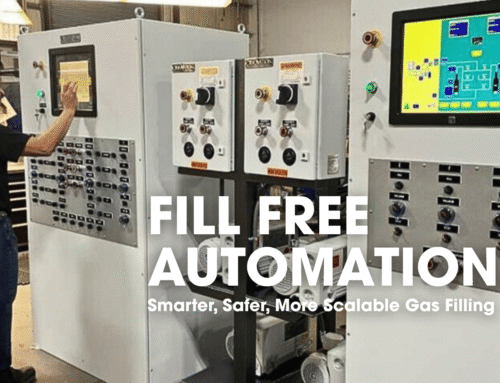
Automated systems can record fill data for traceability and efficiency. Cryovation’s engineered controls ensure these steps happen accurately and safely.
Safety and Compliance Considerations
Every new fill plant must be designed around safety and regulatory compliance. Key considerations include:
-
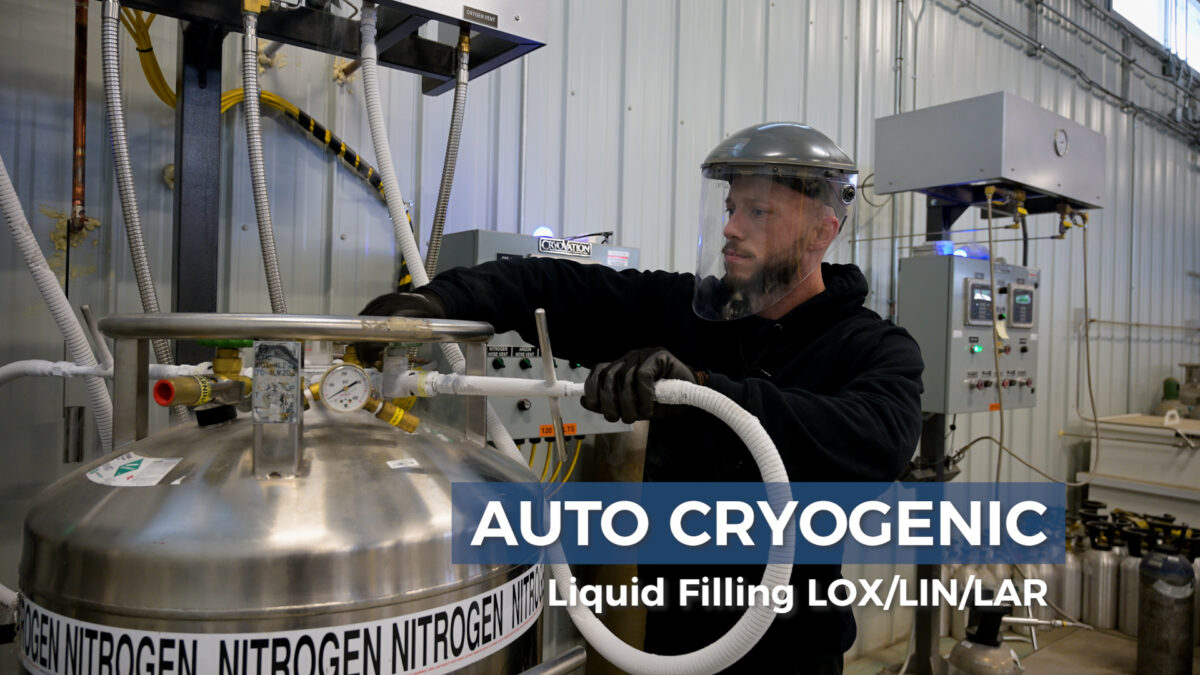
Personal protective equipment (PPE): Gloves, face shields, and cryogenic aprons.
-
Ventilation systems: Prevent buildup of oxygen-deficient or CO₂-enriched atmospheres.
-
Pressure relief and venting: Protect against over-pressurization.
-
Operator training: Ensures awareness of cold-burn, oxygen enrichment, and high-pressure hazards.
Designing to meet CGA, OSHA, and NFPA standards from the start avoids costly retrofits and helps streamline plant commissioning.
Optimizing for Efficiency and Accuracy
Efficiency is critical for new plants that aim to minimize product loss and maximize throughput. Modern filling systems use digital flow meters, load cells, and automated valve control to achieve accurate and repeatable fills.
Cryovation’s equipment and controls support low-loss transfer, clean piping layouts, and custom automation packages that improve operator workflow and reduce downtime. Early integration of these solutions during plant design helps new facilities achieve consistent performance from day one.
Maintenance and Best Practices
Once a new fill plant is operational, preventive maintenance ensures long-term safety and productivity. Recommended practices include:
-
Inspecting hoses, seals, and valves for leaks or frost buildup.
-
Verifying insulation integrity on vacuum lines.
-
Calibrating flow and pressure instruments regularly.
-
Testing safety relief valves and interlocks.
Cryovation provides commissioning support, operator training, and service programs that help clients maintain peak performance and compliance.
Productivity, Safety, and Performance
Setting up a new cryogenic fill plant requires coordination across engineering disciplines, safety planning, and equipment integration. A well-designed system ensures accurate filling, efficient operation, and long-term reliability.
By supplying engineered filling systems, automation, and expertise, Cryovation helps clients build facilities that meet today’s demanding standards for performance and safety—delivering consistent results from the first fill onward.